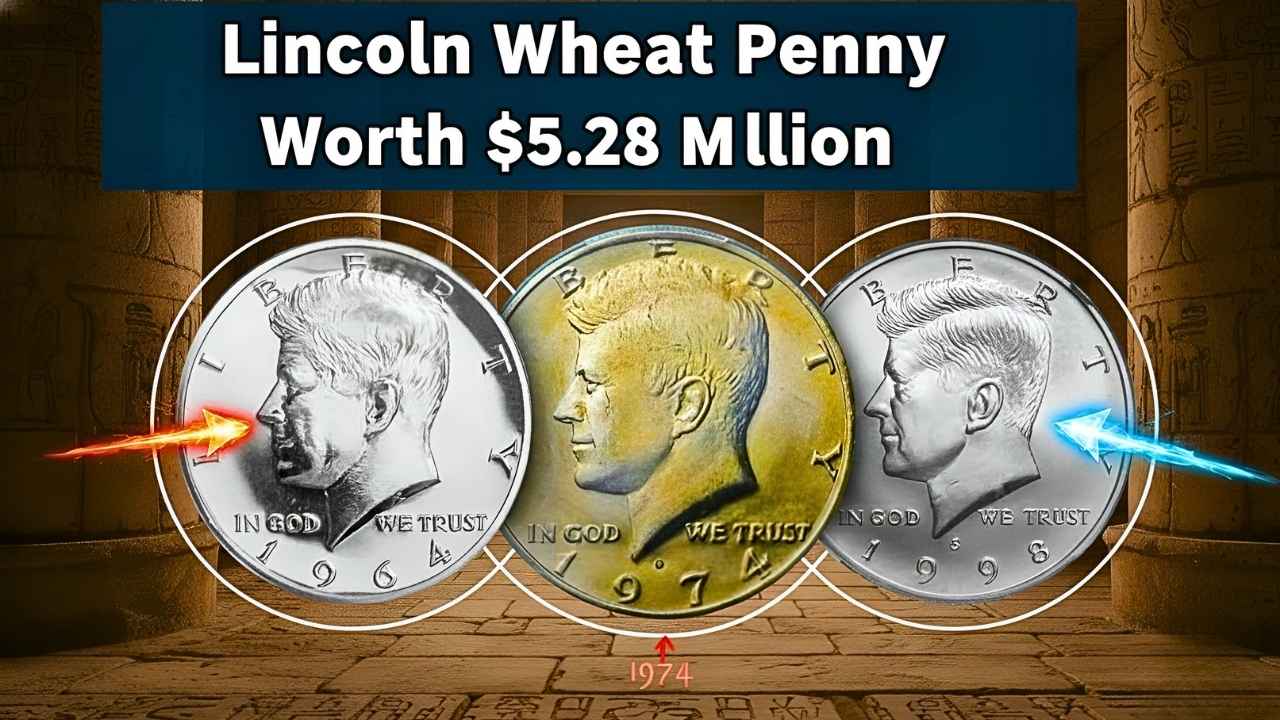
Lincoln Wheat Penny Worth $5.28 Million: Coins have always fascinated collectors, historians, and everyday people alike. They are not just pieces of metal used for transactions; they are miniature time capsules that carry the story of an era. From their design to the materials used, coins reflect the economic, cultural, and political climate of the time they were minted. Among the most iconic coins in American history is the Lincoln Wheat Penny, a coin that continues to captivate collectors more than a century after its introduction.
The Birth of the Lincoln Wheat Penny
The Lincoln Wheat Penny was first issued in 1909 to commemorate the 100th anniversary of Abraham Lincoln’s birth. It was revolutionary in design, as it was the first U.S. coin to feature the portrait of a real person rather than a symbolic figure. Victor David Brenner, the designer, created a profile of Lincoln that remains one of the most recognizable images in American coinage. The reverse side featured two wheat stalks framing the words “ONE CENT,” symbolizing prosperity and growth. This design remained in circulation until 1958, when it was replaced by the Lincoln Memorial design.
Why Some Pennies Are Worth Millions
Most Wheat Pennies are common and worth only a few cents, but certain rare varieties have achieved legendary status. The value of a coin is determined by rarity, condition, historical significance, and demand among collectors. When these factors align, the result can be extraordinary. A Lincoln Wheat Penny valued at $5.28 million is not simply a coin; it is a rare artifact that embodies scarcity, desirability, and historical importance.
The Famous 1943 Copper Penny
One of the most celebrated rarities is the 1943 copper penny. During World War II, copper was needed for ammunition and military equipment, so the U.S. Mint switched to zinc-coated steel for penny production. However, a small number of pennies were mistakenly struck in copper that year. These accidental issues became some of the most valuable coins in American history. A genuine 1943 copper penny in excellent condition can command millions at auction, making it one of the most sought-after coins in existence.
Key Features to Spot a Rare Wheat Penny
Identifying a rare Wheat Penny requires careful attention to detail. Collectors examine several aspects to determine whether a coin is valuable:
- The year of minting, with 1909-S VDB and 1943 copper pennies being the most famous rarities.
- The mint mark, located below the date. Coins from San Francisco (S) or Denver (D) often carry higher value than those from Philadelphia.
- The material of the coin. A 1943 penny made of copper instead of steel is a clear sign of rarity.
- The condition of the coin, which can dramatically influence its value.
The Importance of Coin Grading
Coin grading is a professional process that evaluates the condition of a coin. Grading services assess factors such as wear, luster, strike quality, and overall eye appeal. Coins are then assigned a grade on a scale, with mint state coins being the most desirable. A rare coin in poor condition may still be valuable, but one in pristine condition can multiply its worth many times over. For collectors, grading provides assurance of authenticity and establishes a fair market value.
Stories of Unexpected Discoveries
The allure of coin collecting is heightened by stories of ordinary people stumbling upon rare Wheat Pennies in their pocket change or family collections. These tales of unexpected fortune inspire collectors to keep searching, reminding us that treasures can sometimes be found in the most mundane places. The possibility of discovering a penny worth millions adds excitement to the everyday act of handling coins.
Auctions and Record-Breaking Sales
Rare coins often achieve their highest valuations at auctions, where collectors compete to own unique pieces of history. Auction houses provide a stage for dramatic bidding wars, driving prices to record-breaking levels. The $5.28 million valuation of a Lincoln Wheat Penny reflects not only its rarity but also the passion and determination of collectors who are willing to pay extraordinary sums for a chance to own such a treasure.

The Symbolism of the Lincoln Penny
Beyond its monetary value, the Lincoln Wheat Penny carries deep cultural significance. It marked a turning point in American coinage by honoring a real historical figure. Abraham Lincoln’s image symbolizes unity, resilience, and the enduring legacy of one of the nation’s greatest leaders. Collectors cherish the coin not only for its rarity but also for the ideals it represents.
Practical Tips for New Collectors
For those intrigued by coin collecting, Wheat Pennies offer an accessible entry point. Beginners can start by learning to recognize key dates and mint marks, investing in a magnifying glass to examine coins closely, and storing coins properly to prevent damage. Joining coin clubs or attending shows can provide valuable knowledge and connections. For coins that appear rare or valuable, professional grading is recommended to confirm authenticity and establish value.

The Excitement of Coin Hunting
Coin collecting is often described as a treasure hunt. Each coin examined carries the potential to reveal something extraordinary. Whether searching through old jars of pennies, browsing antique shops, or carefully inspecting pocket change, collectors never know when they might uncover a hidden gem. The thrill of discovery is what keeps the hobby alive and vibrant.
The Future of Rare Coin Collecting
As time passes, rare coins become even scarcer, increasing their value and appeal. Advances in technology have made it easier to authenticate and grade coins, ensuring transparency in the market. The fascination with rare coins shows no signs of fading, and the Lincoln Wheat Penny will continue to captivate collectors for generations to come.

Conclusion: A Penny Beyond Price
The Lincoln Wheat Penny valued at $5.28 million is more than just currency; it is a symbol of history, rarity, and immense value. What was once a simple coin used in everyday transactions has become a prized artifact that embodies the enduring allure of numismatics. For collectors and enthusiasts, the possibility of finding such a treasure in everyday life keeps the passion alive. The next time you come across a Wheat Penny, take a closer look—you might just be holding a fortune in your hand.