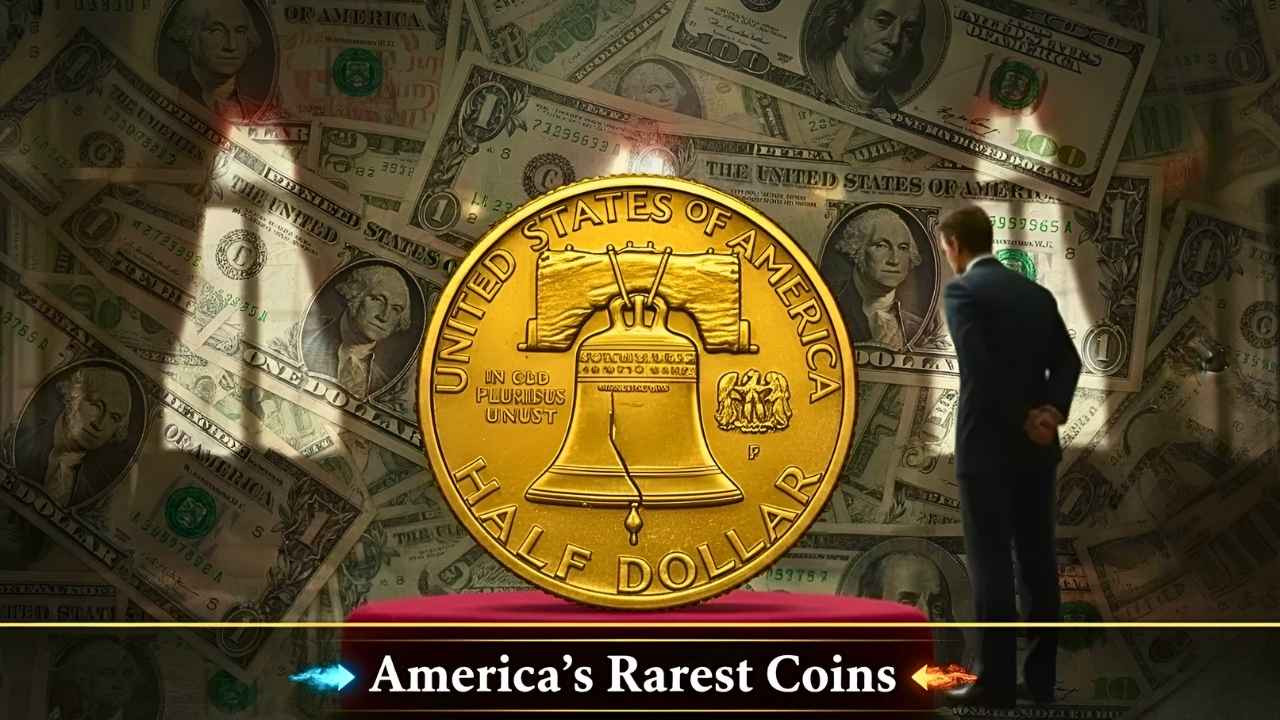
America’s Rarest Coins: Coins have always been more than just a medium of exchange. They are miniature pieces of history, carrying stories of the times in which they were minted. For collectors, coins represent a tangible connection to the past, and when rarity and historical significance combine, their value can reach extraordinary heights. In America, a handful of coins have achieved legendary status, with some specimens valued at over $1 million. These hidden treasures continue to captivate numismatists and inspire everyday people to check their pocket change in hopes of discovering a fortune.
The 1933 Double Eagle
One of the most famous coins in American history is the 1933 Double Eagle. Originally minted in gold, this coin was never officially released into circulation due to changes in monetary policy during the Great Depression. Most of the coins were melted down, but a few escaped destruction. Their survival turned them into some of the rarest coins in existence. In auctions, the 1933 Double Eagle has fetched millions of dollars, making it one of the most valuable coins ever produced by the U.S. Mint. Its rarity and the story behind its withdrawal from circulation have cemented its place as a true treasure.

The 1913 Liberty Head Nickel
The 1913 Liberty Head nickel is another coin that has achieved legendary status. Only five specimens are known to exist, and their origins remain shrouded in mystery. The coin was never officially authorized for production, yet somehow a few were struck and eventually surfaced in the hands of collectors. Over the years, these nickels have sold for millions at auction, with their value continuing to rise. The combination of mystery, rarity, and historical intrigue makes the 1913 Liberty Head nickel one of America’s most coveted coins.
The 1794 Flowing Hair Silver Dollar
The 1794 Flowing Hair silver dollar holds a special place in American numismatics as one of the first silver dollars ever minted by the United States. Its design features Lady Liberty with flowing hair on the obverse and an eagle on the reverse. Because of its age and historical significance, surviving specimens are extremely rare. In pristine condition, the 1794 silver dollar has sold for over $10 million, making it one of the most valuable coins in the world. Collectors prize it not only for its rarity but also for its role in the early history of American coinage.

The 1804 Draped Bust Silver Dollar
Known as the “King of American Coins,” the 1804 Draped Bust silver dollar is one of the most famous rarities in numismatics. Although dated 1804, most of these coins were actually struck decades later as diplomatic gifts. Only a handful exist, and their scarcity has driven values into the millions. The coin’s elegant design and fascinating backstory make it a centerpiece in any collection. For collectors, owning an 1804 silver dollar is considered the pinnacle of achievement, symbolizing both wealth and prestige.
The Role of Collectors in Preserving History
Rare coins like these would not be recognized or preserved without the dedication of collectors. Numismatists devote countless hours to studying coins, identifying variations, and authenticating specimens. Their passion ensures that these treasures are not lost to time. Collectors also play a vital role in educating the public about the historical significance of coins, turning everyday objects into artifacts of national heritage.
Public Excitement and Speculation
Stories of coins worth millions naturally spark public imagination. People begin checking their pockets, purses, and piggy banks with renewed interest. The idea that a fortune could be hiding in plain sight adds an element of adventure to everyday life. While the chances of stumbling upon one of these million-dollar coins are slim, the excitement lies in the possibility. It transforms ordinary transactions into treasure hunts, fueling curiosity and fascination.
Historical Parallels With Other Rare Finds
Rare coins are not the only artifacts to achieve extraordinary value. History is filled with examples of items once considered ordinary that later became priceless due to rarity and significance. Stamps, paintings, and manuscripts have all followed similar paths. The rare coins of America fit into this broader pattern, reminding us that value often lies in scarcity and the stories objects carry.

The Economics of Rarity
The value of rare coins is driven by the principles of supply and demand. When a coin is unique or extremely scarce, collectors compete fiercely to own it, driving up its price. The million-dollar coins of America reflect not only their rarity but also the intense desire among collectors to possess a piece of history. In this sense, rare coins function much like fine art, where scarcity and cultural significance combine to create immense value.
The Human Element of Discovery
What makes the story of rare coins so compelling is the human element. The idea that someone could unknowingly carry a treasure in their pocket highlights the unpredictability of life. It reminds us that extraordinary things can be hidden in plain sight, waiting to be discovered. This sense of wonder is what keeps the world of numismatics alive and thriving, as collectors and enthusiasts continue to search for the next great find.
Tips for Identifying Rare Coins
For those hoping to find a rare coin, knowledge is essential. Collectors often look for specific features such as mint marks, unusual compositions, and signs of minting errors. Condition also plays a major role, with uncirculated coins fetching higher prices. Consulting reputable guides and professional grading services can help identify valuable coins. While the odds of finding a million-dollar treasure are slim, careful examination can still uncover coins worth significant sums.
The Future of Coin Collecting
The tales of America’s rarest coins have reinvigorated interest in numismatics. Younger generations, who may not have considered coin collecting before, are now intrigued by the possibility of discovering hidden treasures. This renewed enthusiasm could lead to a resurgence in the hobby, ensuring that the legacy of coin collecting continues. As technology advances, tools for authentication and valuation will become more sophisticated, making it easier to identify rare coins and protect collectors from fraud.
Conclusion
America’s rarest coins, from the 1933 Double Eagle to the 1804 Draped Bust silver dollar, represent more than just currency. They are symbols of history, rarity, and the enduring fascination with hidden treasures. Whether or not these coins are ever found in circulation, their stories have already captured the imagination of millions. They remind us that even in the most ordinary objects, extraordinary value can exist. For collectors and dreamers alike, these coins stand as a testament to the magic of discovery and the timeless allure of rare treasures.