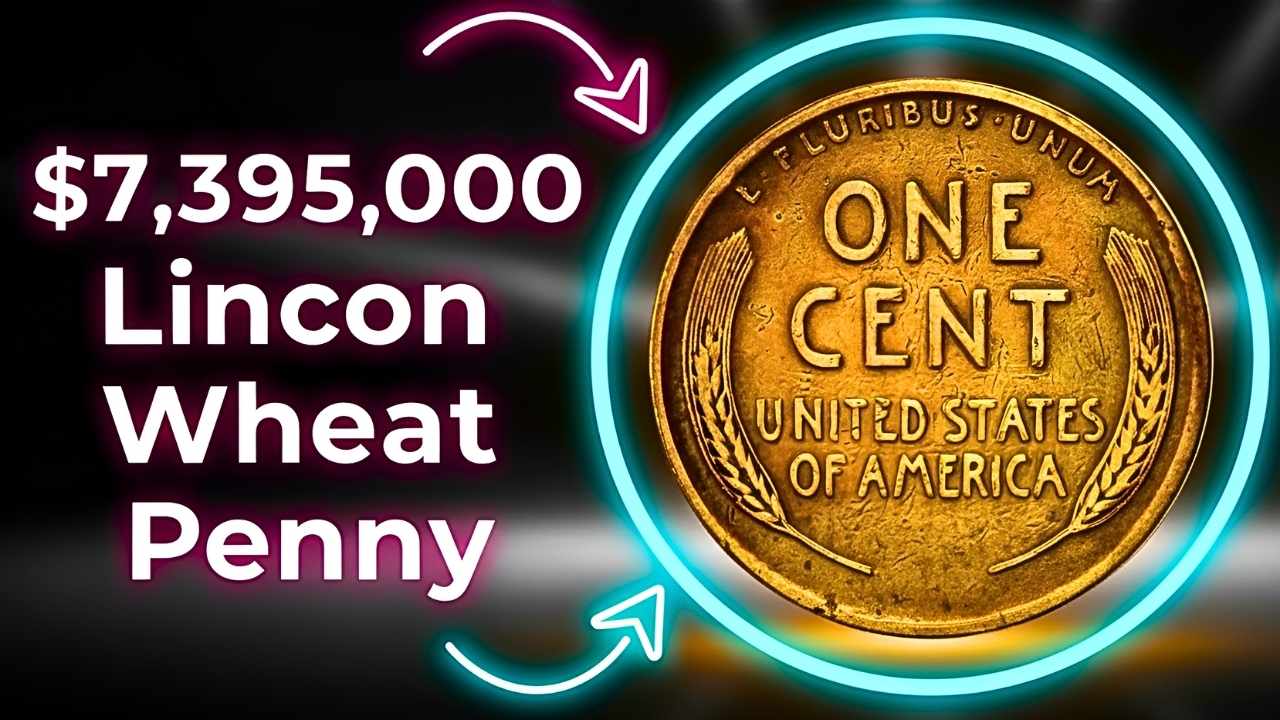
$7,395,000 Lincoln Wheat Penny: Coin collecting is a pursuit that blends history, artistry, and the thrill of discovery. Among the most fascinating coins in American numismatics is the Lincoln Wheat Penny. First minted in 1909 to honor President Abraham Lincoln, this coin has become a favorite among collectors. While most Wheat Pennies are common and worth only a few cents, rare varieties and minting errors have elevated certain specimens to extraordinary values. Some collectors believe that specific examples could be worth as much as 7,395,000 dollars. The idea that such a treasure could still be hiding in pocket change captures the imagination of enthusiasts everywhere. This guide explores the history, varieties, and collector demand surrounding the Lincoln Wheat Penny and other valuable coins.
The Story of the Lincoln Wheat Penny
The Lincoln Wheat Penny was introduced in 1909 to commemorate the centennial of Abraham Lincoln’s birth. Designed by Victor David Brenner, the coin features Lincoln’s portrait on the obverse and two wheat stalks framing the words “One Cent” on the reverse. It was the first U.S. coin to feature a real person rather than a symbolic figure, marking a significant shift in American coinage.
The Wheat Penny was minted until 1958, when it was replaced by the Lincoln Memorial design. Over the years, billions of Wheat Pennies were produced, making them common in circulation. Yet within this vast production lie rare varieties and minting errors that have become legendary among collectors.
Rare Varieties and Minting Errors
While most Wheat Pennies are common, certain rare varieties and minting errors have made some examples highly valuable. Collectors prize these coins for their uniqueness and scarcity.
One of the most famous varieties is the 1943 copper Wheat Penny. During World War II, pennies were struck in steel to conserve copper for the war effort. However, a few were mistakenly struck in copper, creating one of the rarest coins in American history. These coins have sold for millions of dollars at auction.
Another prized specimen is the 1909 S VDB Wheat Penny, minted in San Francisco with the designer’s initials prominently displayed. Only a limited number were produced before the initials were removed, making this coin highly sought after. Other valuable varieties include double die errors, off center strikes, and wrong planchet issues. Each of these coins tells a story of human error and rarity that fascinates collectors.
The 7,395,000 Dollar Claim
The idea of a Lincoln Wheat Penny being worth 7,395,000 dollars may sound unbelievable, but in the world of numismatics extraordinary values are not unheard of. Coins like the 1933 Double Eagle and the 1794 Flowing Hair Dollar have sold for tens of millions, proving that rare coins can command astronomical prices.
For the Wheat Penny, the potential value lies in unique specimens with extraordinary rarity. A coin with a one of a kind minting error, pristine condition, or historical significance could theoretically reach such heights. Collectors and investors alike are eager to acquire these treasures, driving prices higher and ensuring their place among the most valuable U.S. coins.

How to Identify Valuable Wheat Pennies
Collectors hoping to find valuable Wheat Pennies should pay close attention to certain features. Examining coins carefully can reveal hidden treasures.
Look for unusual details such as doubled lettering, missing elements, or unusual coloration. Check the mint mark, as coins struck in San Francisco or Denver are often rarer than those from Philadelphia. Pay attention to the overall condition, as coins with no signs of wear and sharp details are worth more.

Even if you do not find a 7,395,000 dollar coin, you may still uncover valuable specimens worth hundreds or thousands of dollars. The thrill of discovery is part of the joy of coin collecting.
Other Valuable U.S. Coins
The Lincoln Wheat Penny is not the only coin that has captured the imagination of collectors. Many other U.S. coins are worth significant sums due to rarity, condition, or historical importance.
The 1913 Liberty Head Nickel is legendary, with only five known examples and values reaching millions. The 1804 Draped Bust Dollar, often called the King of American Coins, is another treasure, with values in the millions. Modern rarities such as the 2000 Sacagawea Cheerios Dollar and the 1964 Special Mint Set coins also command high prices.
These coins remind collectors that treasures can be found across all eras of American coinage, from early issues to modern commemoratives.
Collector Demand in 2026
In 2026, collector demand for Wheat Pennies and other rare coins remains strong. Auction houses report intense bidding wars for high grade specimens, reflecting the growing interest in modern and historical rarities. Coin shows and online marketplaces are filled with collectors seeking specific issues, from copper 1943 pennies to rare double die errors.
The demand is not limited to rare varieties. Even complete sets of circulated Wheat Pennies are popular among beginners, serving as an accessible entry point into numismatics. The sustained demand demonstrates the enduring appeal of coin collecting and the fascination with America’s coinage history.
Preserving and Grading Coins
Preservation and grading play a crucial role in determining the value of coins. Collectors should store coins in protective holders or albums to prevent wear and damage. Coins graded by professional services command higher prices, especially in mint state or proof condition.
In 2026, collectors recognize the importance of grading and preservation, making these factors central to the rise in value. A well preserved Wheat Penny can be worth far more than a worn example, highlighting the importance of careful handling.
Conclusion
The Lincoln Wheat Penny is more than just a coin. It is a symbol of American history, a tribute to Abraham Lincoln, and a reminder of the enduring allure of coin collecting. While most examples are common, rare varieties and minting errors have transformed some into treasures worth millions. The claim of a 7,395,000 dollar Wheat Penny captures the imagination of collectors everywhere, inspiring them to search their pocket change and collections for hidden gems.
From the 1909 S VDB to the 1943 copper penny, the Wheat Penny represents a unique chapter in American coinage. For seasoned numismatists, owning a rare specimen is the ultimate achievement. For beginners, the coin serves as inspiration, showing how even ordinary currency can hold extraordinary value. The next time you check your change, take a closer look. You never know what treasures might be waiting to be discovered.